Digital Impressions vs Traditional Molds: Which Is More Comfortable and Accurate?
Digital impressions are often more comfortable for patients and increasingly accurate for many restorative and orthodontic uses, but traditional molds still have a place in some cases. The better choice depends on the procedure, the anatomy being captured, and the workflow the treating team trusts for that specific result.
Planning Notes for Digital Impressions vs Traditional Molds
- For Digital Impressions vs Traditional Molds, review the clinical findings and the outcome the patient values most before consent is finalized, then confirm alternatives, limitations, timing, cost, and long-term upkeep during the initial review before this choice is recorded.
- Traditional molds can still be useful in certain prosthetic situations, especially when the clinician believes they offer a more dependable record for that case.
- Accuracy is not only about the technology. It also depends on operator skill, moisture control, case complexity, and the type of restoration planned.
- Patients should ask how the impression method fits the actual treatment, not just which option sounds newer.
How each method works for patients
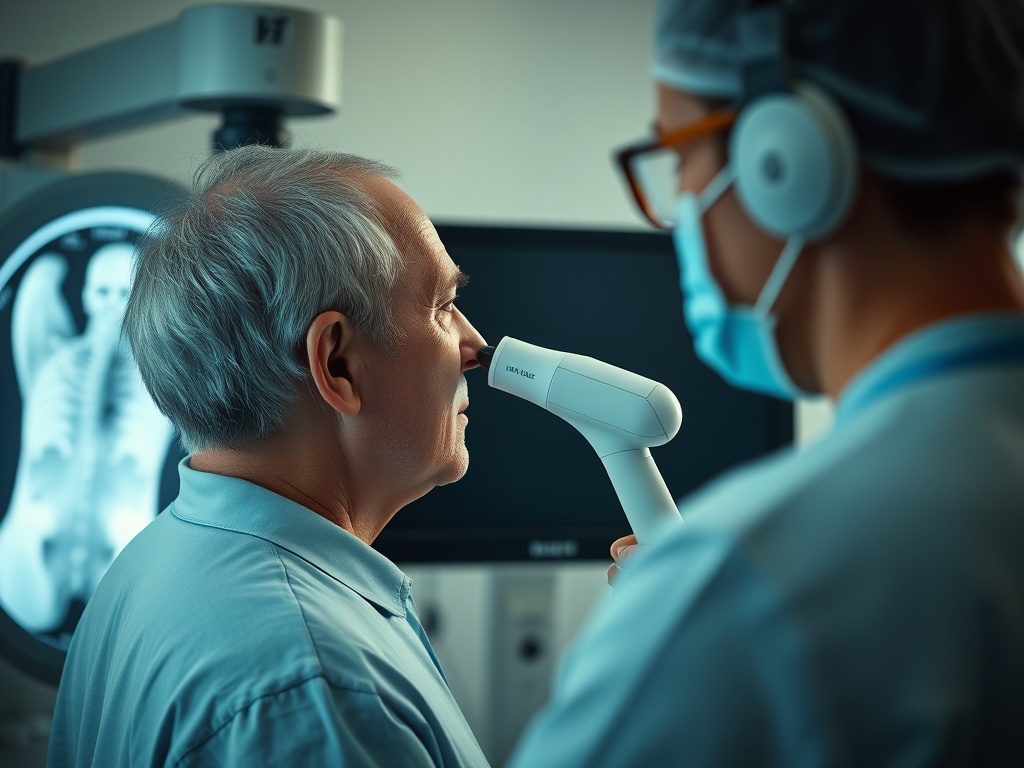
Traditional impressions use trays and impression material to capture the teeth and gums physically. Digital impressions use an intraoral scanner to create a three-dimensional record. From the patient’s perspective, the biggest difference is often comfort. Scanning can feel easier for people who gag easily, dislike tray material, or struggle to sit through retakes.
That comfort advantage is one reason digital workflows have expanded. Recent reviews in the dental literature have also examined where digital methods compare well on accuracy and patient experience, while still acknowledging that performance varies by case type and restoration.
Comfort, accuracy, and workflow trade-offs
| Question | Digital impressions | Traditional molds |
|---|---|---|
| Comfort | Often easier for gag-prone patients | Can feel bulky or messy |
| Retakes | Often simpler to rescan one area | May require a full remake |
| Workflow | Integrates well with digital planning | Familiar and dependable in many practices |
| Accuracy | Strong in many routine cases, case-dependent | Still useful and trusted in many complex workflows |
A recent PubMed review on digital impression making in dentistry highlights benefits such as patient comfort and workflow efficiency, while more focused evidence continues to compare accuracy in specific implant and restorative scenarios. That nuance matters because “more accurate” is not a universal statement across all case types.
Planning Notes for Digital Impressions vs Traditional Molds During Planning
Dentists may prefer digital scans for aligners, many crowns, monitoring tooth movement, and cases where patient comfort or quick retakes are a major advantage. Traditional impressions may still be chosen when the clinician believes the material-based workflow is more dependable for the prosthetic situation, or when subgingival margins, saliva control, or equipment access complicate scanning.
The recommendation should therefore sound specific. If the explanation is only that one method is “old” and one is “modern,” you are not getting a very helpful answer.
A decision framework before a consultation or second opinion
Ask what restoration or appliance the impression is for, whether one method changes turnaround time, whether gagging or comfort is influencing the choice, and whether the office would switch methods if the first record is not good enough. In adult orthodontic and multidisciplinary cases, impression choice may also tie into broader planning, which is why adult orthodontic planning often intersects with this topic.
If you are choosing between offices, compare not only the hardware but also how clearly the team explains why their chosen method suits your case.
Comparing Options for Digital Impressions vs Traditional Molds
Impression method questions are usually routine planning issues, not emergencies. The urgent part comes only if the impression is delaying a repair you need to eat, speak, or function comfortably. Otherwise, it is a decision best made in a calm consult rather than under time pressure.
Quick questions about Digital Impressions vs Traditional Molds: Which Is More Comfortable and Accurate?
For Digital Impressions vs Traditional Molds: Which Is More Comfortable and Accurate, explain whether comfort, function, appearance, durability, cost, or a conservative approach matters most when a second opinion is considered.
For Digital Impressions vs Traditional Molds: Which Is More Comfortable and Accurate, explain whether comfort, function, appearance, durability, cost, or a conservative approach matters most before consent is finalized.
For Digital Impressions vs Traditional Molds: Which Is More Comfortable and Accurate while comfort and function are assessed, bring the symptom history, medicines, previous treatment, and the outcome that matters most.
Questions About Digital Impressions vs Traditional Molds
Before leaving the discussion of Digital Impressions vs Traditional Molds: Which Is More Comfortable and Accurate, confirm the first step, expected follow-up, and warning signs that justify earlier contact when the diagnosis is confirmed.
- When Digital Impressions vs Traditional Molds: Which Is More Comfortable and Accurate is reviewed, ask the dentist to connect each recommendation to the examination findings and compare reasonable alternatives.
- For Digital Impressions vs Traditional Molds: Which Is More Comfortable and Accurate before consent is finalized, bring the symptom history, medicines, previous treatment, and the outcome that matters most.
- For Digital Impressions vs Traditional Molds: Which Is More Comfortable and Accurate when the follow-up plan is written, bring the symptom history, medicines, previous treatment, and the outcome that matters most.
- Before leaving the discussion of Digital Impressions vs Traditional Molds: Which Is More Comfortable and Accurate, confirm the first step, expected follow-up, and warning signs that justify earlier contact after the examination is explained.
The best impression is the one that serves the case well
Newer technology can improve comfort and workflow, but the right question is still practical: which impression method gives the treating team the most reliable record for your treatment without making the experience harder than it needs to be?
Questions About Digital Impressions vs Traditional Molds During Planning
For Digital Impressions vs Traditional Molds, this part of Questions About Digital Impressions vs Traditional Molds During Planning focuses on the symptom history, previous treatment, current medicines, and the result the patient values most when the follow-up plan is written, with the same details verified during the initial review. The clinician should also explain which examination finding supports each recommendation and what information could change it for Digital Impressions vs Traditional Molds as the long-term result is reviewed, using the examination and health history rather than a general assumption. Recording that explanation gives the patient a clearer next step for Digital Impressions vs Traditional Molds when the follow-up plan is written, especially when follow-up duties are reviewed during the initial review.
Clinical Checks for Digital Impressions vs Traditional Molds
When evaluating Digital Impressions vs Traditional Molds: Which Is More Comfortable and Accurate, the dentist should explain how medical history, previous treatment, bite forces, and tissue health affect the recommendation. Before accepting a plan for Digital Impressions vs Traditional Molds: Which Is More Comfortable and Accurate, request a plain-language explanation of what would make the diagnosis or treatment sequence change as the long-term result is reviewed.
Comparing Options for Digital Impressions vs Traditional Molds During Planning
Before choosing a path for Digital Impressions vs Traditional Molds: Which Is More Comfortable and Accurate, identify which trade-off matters least and which clinical risk matters most during the initial review. When comparing approaches to Digital Impressions vs Traditional Molds: Which Is More Comfortable and Accurate, use the same criteria for every option: expected benefit, limitations, durability, maintenance, timing, and total cost.