
Adult Orthodontics: What Changes When You Straighten Teeth Later in Life?
Adult orthodontics can be highly effective, but the planning often looks different than it does for teens. Adults are more likely to have restorations, gum recession, missing teeth, clenching, or periodontal history that changes how teeth can be moved and how the bite should be managed.
Planning Notes for Adult Orthodontics Changes Straighten Teeth Later Life
- Good planning for Adult Orthodontics: What Changes When You Straighten Teeth Later in Life combines clinical findings with the outcome the patient values most.
- Treatment can involve braces or aligners, yet the real difference is often in diagnosis and sequencing, not the appliance alone.
- Adults may need input from general dentists, periodontists, or restorative dentists before or during tooth movement.
- The best plan balances esthetics, function, periodontal stability, and long-term maintainability.
What adult orthodontics means in plain language
Adult orthodontics is simply tooth movement in a mouth that may already have years of dental history behind it. The American Association of Orthodontists page on adult orthodontics makes the core point clearly: adults can absolutely seek orthodontic treatment, but their treatment needs and goals may differ from younger patients.
Adults often come in because of crowding relapse, bite wear, spacing from missing teeth, or a desire to make future restorative work more predictable. That means the orthodontic goal is sometimes broader than cosmetic straightness.
Who treatment fits and what limitations show up more often
Adult cases can fit well when the gums and bone are stable, the patient is consistent with hygiene, and the treatment goals are realistic. Limitations show up when there is active gum disease, untreated decay, severe recession, or restorative work that changes how teeth can be moved. Existing crowns, implants, and bridges can also alter the mechanics.
Adults may also notice treatment differently because mobility, tightness, hygiene demands, and appointment logistics compete with work and caregiving. The plan has to be clinically sound and practically livable.
Planning Notes for Adult Orthodontics Changes Straighten Teeth Later Life During Planning
Orthodontics stays relatively routine when the case is mainly alignment and the surrounding tissues are stable. The plan changes when periodontal support is reduced, when restorative space must be created, or when digital scans and treatment simulation are needed to coordinate multiple specialists. That is why digital impressions versus molds can become part of the adult orthodontic conversation.
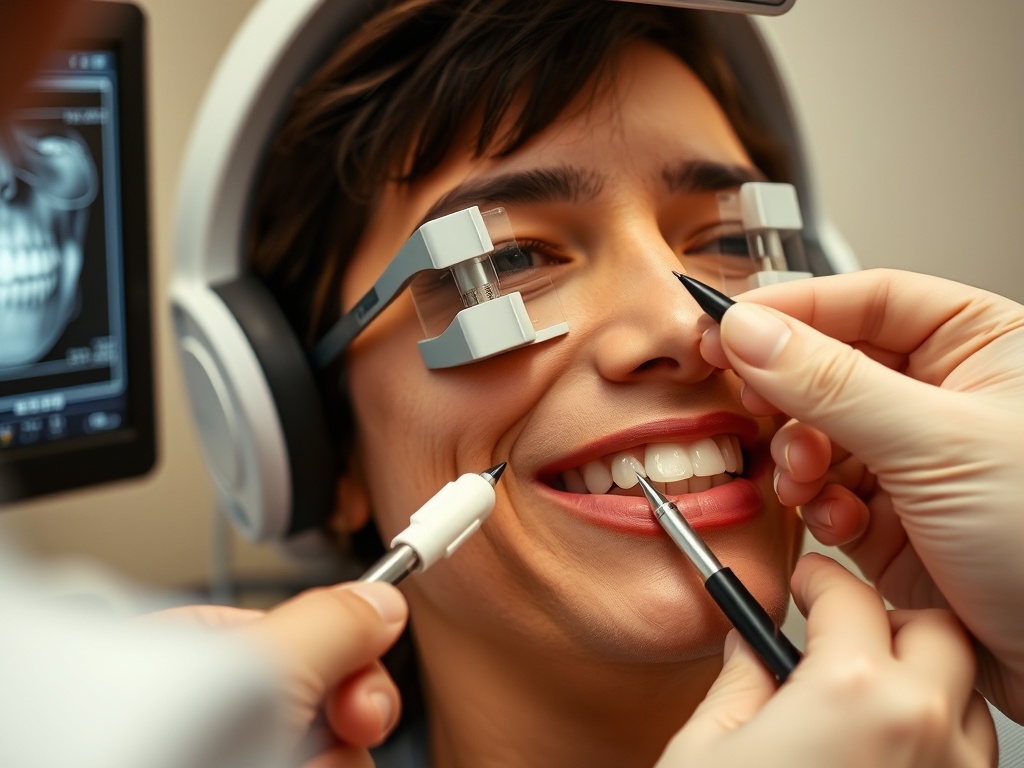
Adults also need clearer conversations about retention and stability. Teeth can be moved, but long-term stability depends on wear patterns, gum health, and whether the underlying bite problem was actually addressed.
Benefits, risks, and the questions worth asking early
Benefits may include easier cleaning, better space distribution, improved esthetics, and a bite that is easier to restore or maintain. Risks and trade-offs include longer planning, greater hygiene demands, root resorption discussions, and the need to coordinate with other dental treatment rather than rushing ahead with tooth movement alone.
Ask what the orthodontic plan is trying to improve besides appearance, whether gum or restorative treatment should happen first, and what retention will look like after active treatment. Those questions make adult orthodontics feel more concrete and less like a generic braces pitch.
Planning Notes for Adult Orthodontics Changes Straighten Teeth Later Life Before Treatment
A routine consult makes sense when crowding, spacing, bite changes, or shifting teeth are affecting cleaning or appearance. Move sooner if teeth are drifting rapidly, gums are receding, or your restorative dentist says the bite is getting in the way of repair planning.
Quick questions about Adult Orthodontics: What Changes When You Straighten Teeth Later in Life?
Does a referral automatically mean the case is severe? No. A referral often means the office wants a setting or specialist better matched to the tissue, behavior, medical, or restorative demands of the case.
What usually makes someone a candidate? Candidacy is usually about whether the treatment addresses a real problem and whether the mouth and patient circumstances can support it safely and predictably.
What detail changes the treatment path most often? The detail that changes the path most often is not a single symptom but the context around it: gum health, medical history, bite forces, mobility, or support needs.
Before the visit, note these details about Adult Orthodontics: What Changes When You Straighten Teeth Later in Life?
Before leaving the discussion of Adult Orthodontics: What Changes When You Straighten Teeth Later in Life, confirm the first step, expected follow-up, and warning signs that justify earlier contact when the diagnosis is confirmed.
- Before leaving the discussion of Adult Orthodontics: What Changes When You Straighten Teeth Later in Life, confirm the first step, expected follow-up, and warning signs that justify earlier contact after the examination is explained.
- A consultation about Adult Orthodontics: What Changes When You Straighten Teeth Later in Life is more useful when you bring a brief timeline, current medicines, relevant health conditions, and details of earlier dental work.
- For Adult Orthodontics: What Changes When You Straighten Teeth Later in Life when the diagnosis is confirmed, bring the symptom history, medicines, previous treatment, and the outcome that matters most.
- For Adult Orthodontics: What Changes When You Straighten Teeth Later in Life as the long-term result is reviewed, bring the symptom history, medicines, previous treatment, and the outcome that matters most.
Adult treatment is often more interdisciplinary than dramatic
Adult orthodontics succeeds when the plan respects the mouth you have now, not the mouth you had at sixteen. The appliance matters, but sequencing, gum health, and realistic goals matter more.
Questions About Adult Orthodontics Changes Straighten Teeth Later Life
For Adult Orthodontics Changes Straighten Teeth Later Life, this part of Questions About Adult Orthodontics Changes Straighten Teeth Later Life focuses on the symptom history, previous treatment, current medicines, and the result the patient values most when the follow-up plan is written, with the same details verified before the final recommendation is accepted. The clinician should also explain which examination finding supports each recommendation and what information could change it for Adult Orthodontics Changes Straighten Teeth Later Life as the long-term result is reviewed, using the examination and health history rather than a general assumption.
Clinical Checks for Adult Orthodontics Changes Straighten Teeth Later Life
When evaluating Adult Orthodontics: What Changes When You Straighten Teeth Later in Life, the dentist should explain how medical history, previous treatment, bite forces, and tissue health affect the recommendation. Before accepting a plan for Adult Orthodontics: What Changes When You Straighten Teeth Later in Life, request a plain-language explanation of what would make the diagnosis or treatment sequence change before consent is finalized.
Comparing Options for Adult Orthodontics Changes Straighten Teeth Later Life
Before choosing a path for Adult Orthodontics: What Changes When You Straighten Teeth Later in Life, identify which trade-off matters least and which clinical risk matters most when the diagnosis is confirmed. When comparing approaches to Adult Orthodontics: What Changes When You Straighten Teeth Later in Life, use the same criteria for every option: expected benefit, limitations, durability, maintenance, timing, and total cost.