
Crawl space repairs improve comfort when they control bulk water, ground moisture, air leakage, insulation gaps, and ventilation or conditioning problems in the right order. Cosmetic fixes rarely help if drainage, vapor control, and access issues remain unresolved.
TL;DR: Crawl Space Repair Moisture Control
- Start with water management outside and under the house before adding insulation.
- A vapor barrier, air sealing, drainage corrections, and damaged-material repairs often work together.
- Mold, structural damage, pest activity, or electrical hazards should be reviewed by qualified professionals.
Editorial focus: how crawl space repairs reduce moisture sources first, then support insulation, comfort, and air quality goals.
Moisture control starts with the source
A damp crawl space can make floors feel cold, support musty odors, damage wood, and complicate indoor comfort. The first step is to identify where moisture comes from. Bulk water may enter through poor grading, missing gutters, downspout discharge, foundation cracks, plumbing leaks, or high groundwater. Ground moisture can evaporate from exposed soil. Humid outdoor air can condense on cool surfaces. Air leaks can pull crawl space conditions into the living area. EPA moisture guidance for buildings emphasizes controlling moisture through design, construction, and maintenance, which is a helpful way to think about repairs: reduce sources first, then improve assemblies.
Repairs that commonly make the biggest difference
The most useful crawl space repairs often include grading improvements, downspout extensions, drainage correction, plumbing leak repair, vapor barrier installation, sealing large air leaks, replacing damaged insulation, repairing deteriorated wood, and improving access for inspection. In some homes, encapsulation or conditioned crawl space strategies may be appropriate, but those choices should be reviewed against climate, code, mechanical systems, pest risk, and existing moisture behavior. Beginners should avoid jumping straight to insulation without solving water entry. Wet insulation can lose performance and hide deterioration. For a useful reference point, see EPA moisture control guidance when aligning the project with recognized industry guidance.
Why comfort changes after moisture control
Moisture and comfort are connected. Damp materials can feel colder, support odors, and increase the load on heating or cooling systems. Gaps around penetrations, rim joists, ducts, and access doors can create drafts or pressure differences that affect rooms above. If ducts run through the crawl space, leaks or missing insulation can reduce comfort and waste energy. Improving crawl space conditions may help floors feel more stable and reduce odor pathways, but results depend on the whole house. A crawl space repair is not a guarantee of perfect indoor air quality or comfort; it is one part of building performance. Teams comparing related scope can also use related planning guidance as a supporting reference within the same domain.
Safety and inspection concerns
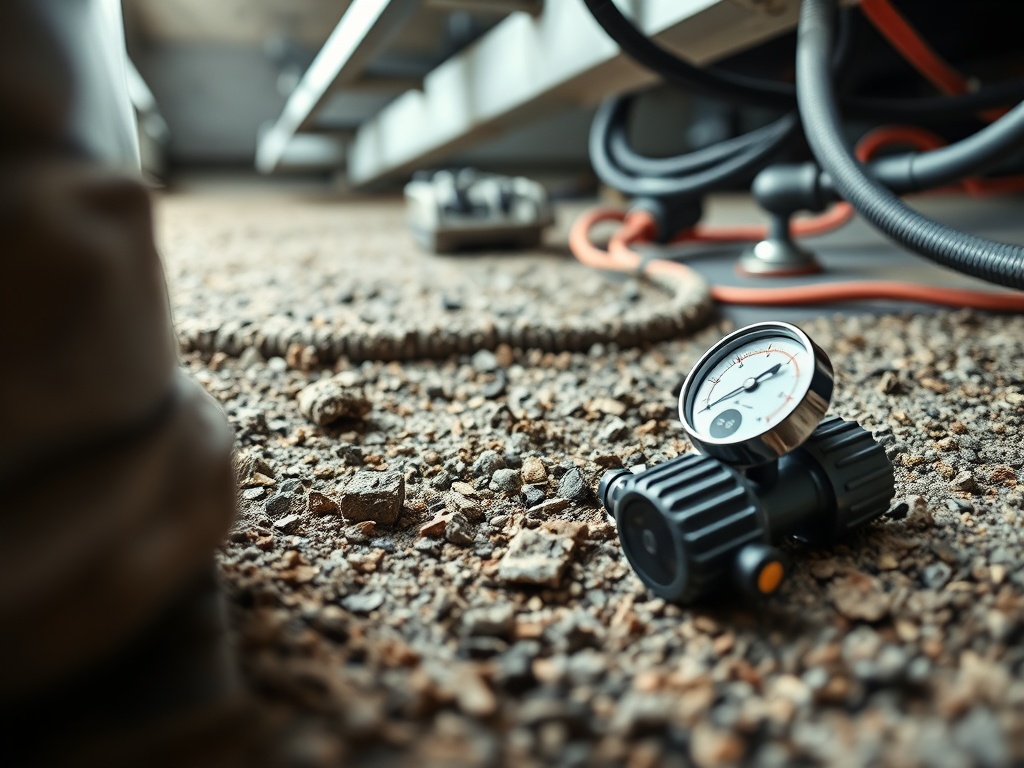
Crawl spaces can include sharp debris, low clearance, pests, electrical wiring, moldy materials, standing water, and structural damage. Homeowners should be cautious about entry and avoid disturbing suspect materials without guidance. If wood framing is soft, sagging, or visibly decayed, a qualified contractor or structural professional should evaluate it. If significant mold growth is present, remediation practices and moisture correction should be planned together. If the repair requires cutting, drilling, wiring, or hot work, safety planning matters just as it does on larger construction projects. The same risk-based thinking appears in OSHA indoor air quality building operations, which is worth reviewing before final procedures are approved.
Maintenance after the repair
A repaired crawl space still needs periodic checks. Look after heavy rain, seasonal humidity swings, freezing weather, and plumbing work. Confirm that the vapor barrier is intact, drains are clear, access doors close properly, and no new plumbing leaks have appeared. Check for pest disturbance, torn insulation, unusual odors, or standing water. Keeping simple inspection notes helps homeowners see whether a repair is stable over time. This content is educational and not a substitute for professional engineering, building science, pest control, mold remediation, or code advice.
Practical comparison for crawl space repair moisture control
| Repair focus | What it addresses | Watch after repair |
|---|---|---|
| Exterior drainage | Bulk water near foundation | Ponding, gutter overflow, downspout discharge |
| Vapor barrier | Ground moisture evaporation | Tears, open seams, displaced edges |
| Air sealing | Drafts and odor pathways | Gaps around penetrations and access doors |
| Insulation repair | Thermal comfort | Wet, sagging, or pest-damaged insulation |
For broader planning context, facility and construction teams may also compare this topic with Fire watch requirements during hot work explained and Lubrication routes and standards for maintenance consistency. When outside requirements apply, confirm details with qualified professionals and the most current authority or standard rather than relying on a generic checklist.
A crawl space repair order that avoids wasted work
- Correct exterior water problems before replacing insulation.
- Repair plumbing leaks and remove standing water sources.
- Install or repair ground vapor control where appropriate.
- Seal major air leaks after moisture sources are addressed.
- Schedule seasonal checks so new problems are caught early.
A useful quality check is to ask what would happen if the person who installed the work was unavailable one year later. If another technician, owner representative, or contractor cannot understand the labels, records, access points, warranty limits, and inspection notes, the project is not truly finished. Good documentation does not replace skill, but it makes skilled work repeatable and easier to verify.
Because construction and maintenance rules can vary by jurisdiction, asset type, and occupancy, teams should verify the current requirement before turning this article into a formal procedure. One helpful starting point is CDC NIOSH ladder inspection and maintenance note, but site-specific review should control final decisions.
Comfort begins below the floor
A healthier crawl space usually comes from layered repairs, not one miracle product. When water, vapor, air leakage, and damaged materials are handled in the right sequence, the rooms above can become easier to heat, cool, and live in.
General disclaimer: This construction and maintenance content is for informational and educational purposes only. It does not constitute professional engineering, legal, compliance, safety, or project management advice.