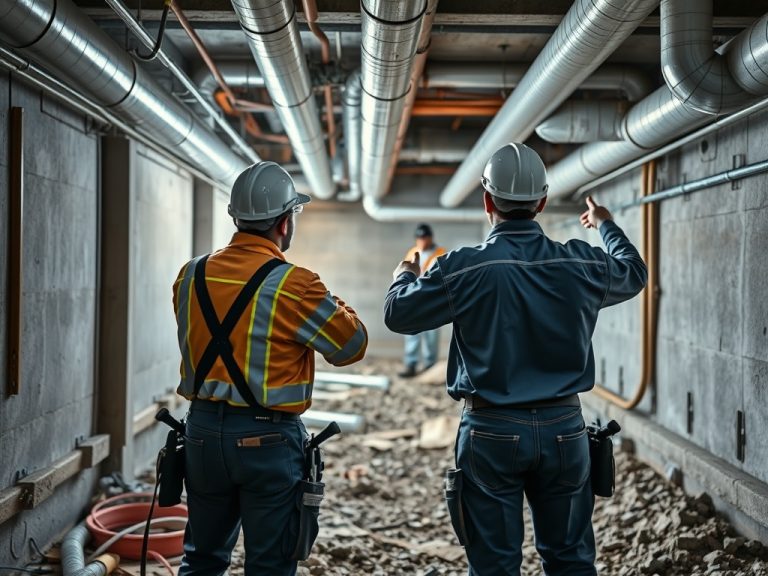
Industrial wastewater and process piping decisions shape safety, permitting, operations, and maintenance long after installation. The key is to define what the pipe carries, how it will be isolated and tested, and what regulatory or owner requirements apply before layout decisions are locked in.
TL;DR: Process Piping Industrial Construction
- Process piping is not generic plumbing; it is tied to material compatibility, pressure, temperature, cleaning, and inspection needs.
- Wastewater routing should account for pretreatment, sampling, corrosion, confined space risk, and future maintenance access.
- Early coordination between engineering, operations, environmental teams, and contractors reduces late redesign.
Editorial focus: how industrial teams prevent piping rework, unsafe access conditions, and wastewater compliance surprises before construction begins.
The decision that sits behind every pipe route
In industrial construction, the most important question is not where the pipe can physically fit. It is what operational risk the line carries. A wastewater line may need pretreatment, sampling access, corrosion-resistant materials, secondary containment, or cleanout points. A process line may carry fluids that demand special joining methods, thermal movement allowances, traceability, pressure testing, or lockout points. ASME describes B31.3 as covering process piping commonly found in chemical, pharmaceutical, petroleum, power, hydrogen, and similar facilities. That does not mean every project uses the same code path, but it does show why industrial piping needs tighter definition than ordinary building service lines.
Wastewater planning starts before the drain
Industrial wastewater is often more complicated than collecting washdown water and sending it away. The EPA National Pretreatment Program exists to protect publicly owned treatment works and receiving waters from pollutants that can interfere with treatment or pass through untreated. For owners, this means process selection, floor drainage, trench drains, pH adjustment, sampling manholes, and neutralization systems should be discussed while the process flow is still being designed. If wastewater characteristics are not understood until equipment arrives, the team may face awkward rerouting, added tanks, utility shutdowns, or permit delays. For a useful reference point, see ASME B31.3 process piping overview when aligning the project with recognized industry guidance.
Process piping needs operations input
Operators usually know the failure points better than anyone reading a drawing for the first time. They can flag valves that need daily access, drains that clog, areas where forklift impact is possible, and lines that must be isolated without shutting down the whole plant. Bringing operations into layout review also helps distinguish a neat drawing from a maintainable system. A valve behind a mezzanine beam may technically be installed, but it can be useless during a leak. This is where industrial design differs from a basic fit-out: constructability, maintainability, and safe isolation need to be tested together. Teams comparing related scope can also use related planning guidance as a supporting reference within the same domain.
Safety risks that hide in familiar spaces
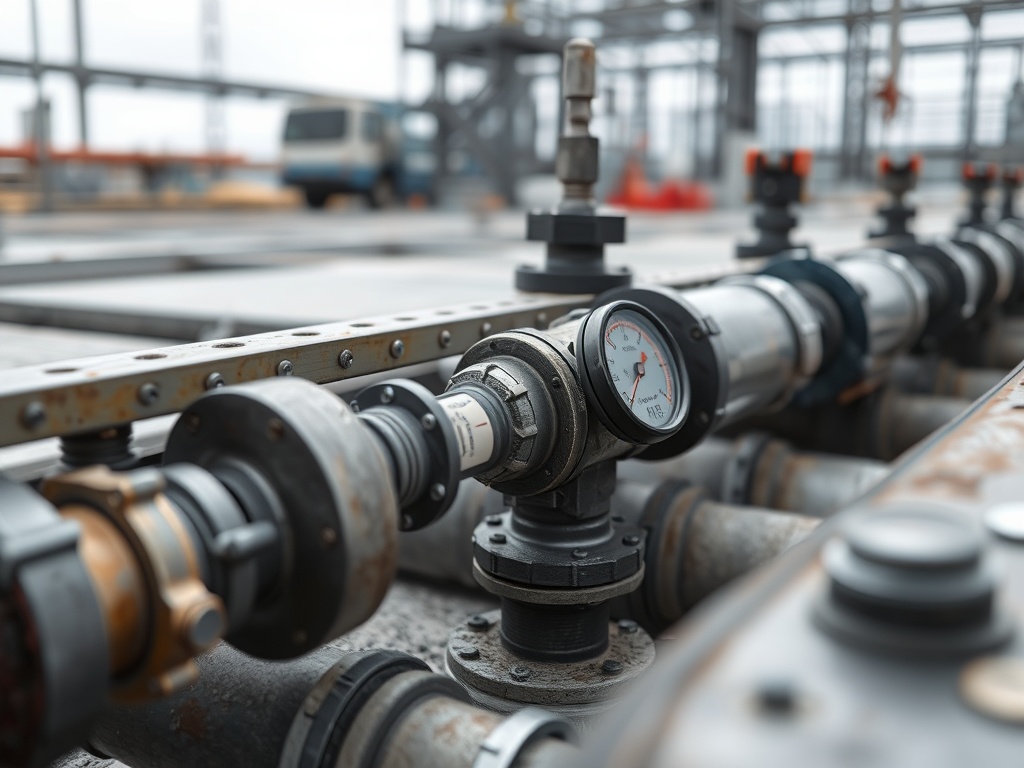
Wastewater structures, pits, sumps, and sewer connections can create confined-space hazards. OSHA notes that sewer systems can present immediately dangerous conditions if hazards are not identified, evaluated, tested, and controlled. That guidance matters during construction and future maintenance. A piping layout that forces routine entry into a pit may create a recurring safety burden. When possible, teams should consider remote valves, external cleanouts, sampling ports, lift-out components, and permanent access features. Where entry cannot be avoided, the design should support the site’s permit-required confined space program rather than fight it. The same risk-based thinking appears in EPA National Pretreatment Program, which is worth reviewing before final procedures are approved.
Coordination points that prevent late change orders
The safest schedule is built around early answers: Which authority reviews discharge? What materials are compatible with the wastewater chemistry? Where are isolation boundaries? What testing is required before concealment? How will the system be flushed, cleaned, commissioned, and documented? Who owns chemical storage tie-ins? Which drains must be segregated? These questions are not glamorous, but they prevent practical problems. On a live industrial site, a poorly located tie-in or a missing bypass can be more disruptive than a visible architectural change. This content is informational and does not replace engineering, environmental, legal, or safety advice.
Practical comparison for process piping industrial construction
| Planning area | Why it matters | Practical check |
|---|---|---|
| Wastewater characterization | Drives pretreatment and permit needs | Review process chemistry before routing drains |
| Pipe material | Affects corrosion and compatibility | Match material to fluid, temperature, and cleaning method |
| Access and isolation | Controls shutdown and response time | Show valves, cleanouts, and sample points on drawings |
| Confined space exposure | Affects maintenance safety | Reduce routine entry where practical |
For broader planning context, facility and construction teams may also compare this topic with Interior finish mockups: why they save time during closeout and How to create PM checklists for HVAC, plumbing, and electrical assets. When outside requirements apply, confirm details with qualified professionals and the most current authority or standard rather than relying on a generic checklist.
Preconstruction questions for industrial piping teams
- Confirm whether wastewater discharge needs pretreatment or special monitoring.
- Review fluid compatibility before selecting pipe, valves, gaskets, and supports.
- Separate sanitary, storm, process, and contaminated waste streams where required.
- Coordinate pipe routes with equipment pads, maintenance aisles, and forklift paths.
- Document pressure testing, flushing, cleaning, and commissioning requirements before bid comparison.
A useful quality check is to ask what would happen if the person who installed the work was unavailable one year later. If another technician, owner representative, or contractor cannot understand the labels, records, access points, warranty limits, and inspection notes, the project is not truly finished. Good documentation does not replace skill, but it makes skilled work repeatable and easier to verify.
Because construction and maintenance rules can vary by jurisdiction, asset type, and occupancy, teams should verify the current requirement before turning this article into a formal procedure. One helpful starting point is OSHA confined spaces in sewer systems fact sheet, but site-specific review should control final decisions.
A useful way to reduce piping surprises
Treat wastewater and process piping as an operations system rather than a hidden construction line. When environmental, safety, maintenance, and production voices are included early, the project is more likely to finish with piping that can be used, cleaned, repaired, and documented without unnecessary disruption.
General disclaimer: This construction and maintenance content is for informational and educational purposes only. It does not constitute professional engineering, legal, compliance, safety, or project management advice.