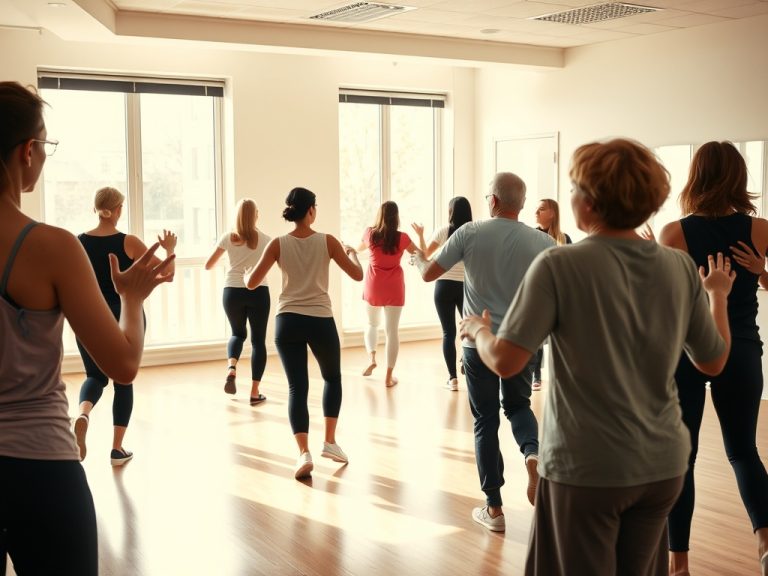
Walking can be enough to cover the aerobic part of a fitness plan when it is frequent and brisk enough for your current ability.
TL;DRWalking can be enough to cover the aerobic part of a fitness plan when it is frequent and brisk enough for your current ability. It is usually time to level up when walking no longer challenges you, your goals require more strength or power, or you are consistently missing the muscle-strengthening part of standard activity guidance.
When walking counts as a real workout
Walking is not a lesser form of exercise. For many adults, brisk walking is a practical way to accumulate moderate-intensity aerobic activity, and official U.S. guidance uses brisk walking as a clear example of moderate exercise. The basic benchmark for adults is at least 150 minutes of moderate-intensity aerobic activity each week plus muscle-strengthening work on at least two days. The muscle-strengthening part matters because walking and resistance training solve different fitness problems. The current recommendations are summarized by the CDC adult physical activity guidance.
Intensity is relative. A pace that feels easy to a trained runner may feel moderate to someone returning to exercise. A simple field check is the talk test: at moderate intensity, you can usually talk but not sing comfortably. If a walk raises your breathing and heart rate into that range, it can count toward aerobic goals. The CDC intensity guide explains this distinction without requiring a wearable or a specific pace.
For general health, walking may be enough on the cardio side if you can repeat it consistently and recover well. It may also be the right choice when impact tolerance, joint comfort, schedule, cost, or confidence makes running or classes less realistic. The best activity is not the hardest one; it is one you can perform often enough to produce a meaningful training dose.
Use goals, not exercise status, to decide whether it is enough
The useful question is not Is walking good? but Is walking matching the adaptation I want? If your main goal is to become less sedentary, improve basic endurance, support cardiovascular health, or build a reliable exercise habit, walking can do a great deal. If your goal is stronger legs, more muscle, faster race performance, higher power, or preparation for steep hikes, walking alone becomes less specific.
Think in three layers. First, health: are you reaching a reasonable amount of weekly activity? Second, fitness: is your pace, terrain, or duration creating a noticeable but manageable challenge? Third, capability: can you do the tasks you care about, such as climbing stairs, carrying groceries, hiking hills, or keeping up during travel? If the first two are covered but the third is limited by strength, the next step is probably resistance training rather than simply more walking.
This is also why comparing yourself with another person is not useful. A 30-minute walk can be a substantial session for one person and active recovery for another. Progress should be judged against your recent baseline.
Four ways to progress before you abandon walking
You can make walking more demanding without immediately switching activities. Increase total weekly minutes gradually, add hills, use short brisk intervals, or choose routes that require more sustained effort. These changes raise the challenge while preserving the low-skill, accessible nature of walking.
One practical progression is to keep most walks comfortable and turn one or two sessions into purposeful workouts. For example, alternate two minutes of brisk walking with two minutes at an easier pace for several rounds. Another option is a hilly route where the climbs naturally increase effort. You do not need to chase exhaustion; you need enough overload that the same route or pace becomes easier over time.
If you have been using walking mainly to rebuild consistency after time off, the article on creating a comeback plan after a long fitness slump can help you decide how quickly to add training stress. For people who want more structure without making every session intense, a virtual group described in how virtual fitness communities can increase consistency may provide accountability.

Signs you should add another training mode
Walking is probably no longer the whole answer when you can walk your usual distance at a conversational pace with little sense of challenge, yet your goals have stalled. Another sign is that daily tasks reveal a strength gap: carrying heavy bags, getting up from the floor, lifting objects overhead, or climbing steep stairs feels disproportionately hard. Those tasks depend on force production that steady walking does not train very directly.
At that point, add rather than replace. Two short full-body strength sessions can complement several walking days. If you want more cardiorespiratory challenge, you might also experiment with cycling, swimming, jogging intervals, dance, or incline walking. The specific mode matters less than choosing something appropriate for your joints, health status, and preferences. If dance sounds more appealing than traditional cardio, see whether dance workouts can improve cardio fitness.
Pain, dizziness, unusual shortness of breath, chest symptoms, or a major change in exercise tolerance are not normal progress markers. Those are reasons to stop and seek medical guidance rather than push through.
A useful nuance is that more is not always better. U.S. guidance recognizes additional benefits above the minimum aerobic target, but the right amount still depends on recovery, time, health, and goals. If adding more walking starts to crowd out strength work or leaves a recurring overuse problem, redistribution may be smarter than simply increasing mileage.
A simple decision framework for the next month
For four weeks, track three things: how many minutes you walk, how hard the brisk portions feel, and whether everyday physical tasks are getting easier. You do not need perfect data. A calendar check mark plus a 1-to-10 effort score is enough to spot patterns.
If you are below a sustainable weekly routine, prioritize consistency. If you are consistent but every walk is easy, increase pace, hills, or duration. If cardio feels solid but strength tasks lag, add resistance work. If you enjoy walking and your goals are being met, there is no requirement to graduate to a more glamorous activity.
When walking is enough for now
If your weekly walking already meets your health goal, feels appropriately challenging, and leaves room for strength work, you do not need to escalate simply because another activity looks more athletic. Progress can also mean keeping the same routine through a busy month, choosing a route you enjoy, or maintaining fitness without aggravating an old problem. Fitness programming should serve your life rather than create a permanent pressure to do more.
Reassess when the context changes. A new hiking trip, a desire to run, a plateau in endurance, or a goal of increasing muscle may justify a new training mode. Until then, a consistent walking habit that matches your ability remains a legitimate form of exercise, especially when it is paired with the other components your goals require.
Choose the smallest useful upgrade
Keep walking if it is working. Add only the missing piece: a little more intensity, a few more minutes, or two brief strength sessions. The goal is a sustainable fitness system, not a constant search for harder workouts.